
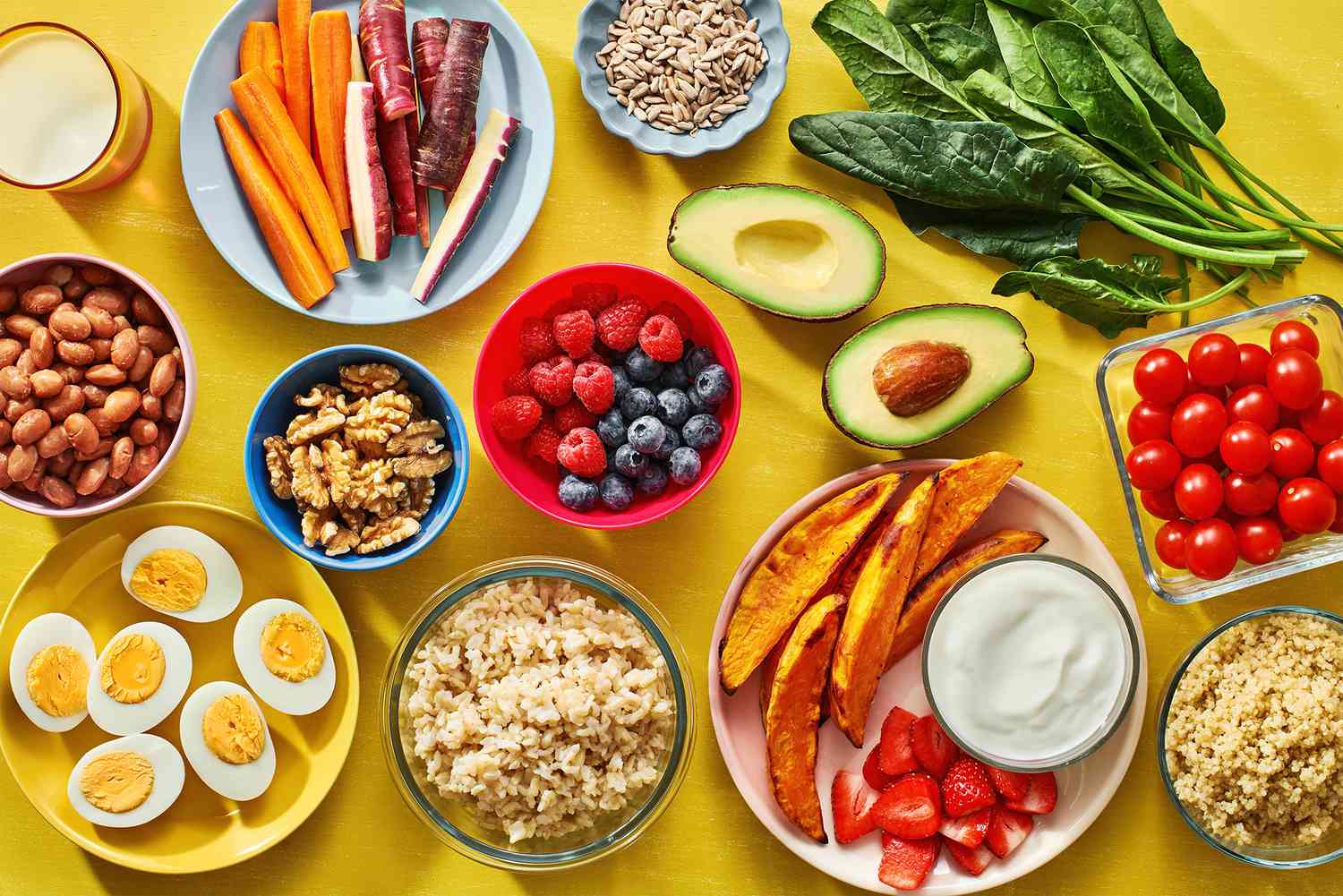
Proper nutrition is essential for children’s growth, development, and overall well-being. As children go through different stages of growth, their nutritional needs evolve, making it important for parents to provide a balanced, nutrient-rich diet that supports their physical, mental, and emotional health. This guide offers practical advice on essential nutrients, meal ideas, and strategies for encouraging healthy eating habits across different age groups.
1. Essential Nutrients for Children
Each stage of a child’s growth requires specific nutrients to ensure proper development. Below are the most important nutrients and their roles in children’s health:
Proteins
- Function: Supports growth, muscle development, and tissue repair.
- Sources: Lean meats, poultry, fish, eggs, beans, lentils, and dairy products like milk and yogurt.
Carbohydrates
- Function: The primary source of energy for children, supporting their physical activity and brain function.
- Sources: Whole grains (oats, brown rice, whole wheat bread), fruits, vegetables, and legumes.
Fats (Healthy Fats)
- Function: Essential for brain development, hormone production, and the absorption of fat-soluble vitamins (A, D, E, K).
- Sources: Avocados, nuts, seeds, olive oil, fatty fish (like salmon), and flaxseed.
Calcium
- Function: Critical for strong bones and teeth, especially during periods of rapid growth.
- Sources: Dairy products (milk, cheese, yogurt), fortified plant-based milk, leafy greens, and almonds.
Iron
- Function: Important for making red blood cells and carrying oxygen throughout the body, especially during periods of rapid growth.
- Sources: Lean meats, beans, spinach, fortified cereals, and tofu.
Vitamin D
- Function: Helps absorb calcium and supports bone growth and immune function.
- Sources: Fortified milk, fatty fish, egg yolks, and exposure to sunlight.
Fiber
- Function: Aids digestion and prevents constipation, keeping the digestive system healthy.
- Sources: Whole grains, fruits, vegetables, and legumes.
Water
- Function: Keeps children hydrated, supports all body functions, and regulates body temperature.
- Sources: Water, milk, and water-rich fruits like watermelon and oranges.
2. Nutrition by Age Group
Children’s nutritional needs change as they grow. Below are general guidelines on what kids need at different stages:
Infants (0-12 months)
- Primary Nutrition: Breast milk or formula provides all essential nutrients for infants during the first six months.
- Introduction to Solids: Around six months, introduce soft, iron-rich foods such as mashed vegetables, fruit, and fortified cereals.
- Finger Foods: By 9 to 12 months, introduce small, soft pieces of fruits, vegetables, and proteins like eggs or soft meats.
Toddlers (1-3 years)
- Balanced Diet: Offer a variety of nutrient-dense foods in small portions, including proteins, whole grains, fruits, and vegetables.
- Healthy Fats: Include healthy fats for brain development, such as avocados, full-fat dairy, and olive oil.
- Calcium-Rich Foods: Ensure they get enough calcium through dairy or fortified plant-based milk.
Preschoolers (4-5 years)
- Variety of Foods: Introduce a range of textures and flavors to encourage diverse eating habits.
- Daily Nutrients: Focus on a balance of proteins, whole grains, fruits, vegetables, and dairy products.
- Snack Ideas: Offer healthy snacks such as sliced fruits, yogurt, whole grain crackers, or veggie sticks with hummus.
School-Aged Children (6-12 years)
- Increased Protein Needs: With higher physical activity, ensure adequate protein from sources like lean meats, beans, and dairy.
- Fiber and Whole Grains: Encourage whole grains (brown rice, oats) and fiber-rich foods to support digestion.
- Hydration: Ensure children stay hydrated, especially when involved in sports.
Teenagers (13-18 years)
- Increased Caloric and Nutrient Needs: As teenagers undergo rapid growth, their calorie needs increase, especially for boys. Focus on protein, calcium, iron, and healthy fats.
- Balanced Diet: Encourage balanced meals to maintain energy levels and support both physical and cognitive development.
- Portion Control: While it’s essential to meet their higher caloric needs, teach portion control and the importance of healthy snacks.
3. Practical Meal Ideas for a Balanced Diet
Here are some easy, nutrient-rich meal ideas to ensure your child is getting the right balance of food groups:
Breakfast Ideas:
- Oatmeal with Fresh Fruit and Nuts: Oats provide whole grains and fiber, while fruit adds vitamins, and nuts offer healthy fats and protein.
- Scrambled Eggs with Whole Wheat Toast and Avocado: Eggs are a great source of protein, while whole wheat toast provides complex carbohydrates, and avocado adds healthy fats.
- Yogurt Parfait with Berries and Granola: This offers protein, calcium, and antioxidants to start the day right.
Lunch Ideas:
- Grilled Chicken Salad with Mixed Vegetables and Whole Grain Bread: A balanced meal with lean protein, fiber, vitamins, and complex carbs.
- Turkey or Hummus Wrap with Spinach and Cheese: A nutrient-packed wrap that’s easy to prepare, offering protein, fiber, and calcium.
- Vegetable Stir-Fry with Tofu and Brown Rice: A plant-based option rich in protein, fiber, and essential vitamins and minerals.
Dinner Ideas:
- Baked Salmon with Quinoa and Steamed Broccoli: Salmon provides omega-3 fatty acids for brain health, while quinoa and broccoli offer fiber and essential nutrients.
- Whole Wheat Pasta with Tomato Sauce, Ground Turkey, and Veggies: A kid-friendly meal packed with protein, fiber, and essential vitamins.
- Chicken Fajitas with Bell Peppers and Black Beans: A fun and healthy option, loaded with protein, fiber, and vitamins from colorful vegetables.
Snack Ideas:
- Sliced apples with peanut butter
- Baby carrots with hummus
- Low-fat yogurt with a handful of granola
- Whole grain crackers with cheese
- Fruit smoothies made with milk or yogurt
4. Strategies for Encouraging Healthy Eating Habits
Encouraging children to make healthy food choices can be a challenge, but there are several strategies that can help foster lifelong healthy eating habits:
1. Be a Role Model
- Children often imitate their parents’ eating behaviors. Make healthy choices yourself, and your kids are more likely to follow suit.
2. Involve Kids in Meal Preparation
- Engage your child in age-appropriate kitchen tasks, such as washing vegetables or mixing ingredients. This involvement makes them more interested in trying the foods they help prepare.
3. Offer a Variety of Foods
- Encourage children to try new foods and flavors by offering a variety of healthy options. This can prevent picky eating habits and increase their acceptance of different food groups.
4. Make Healthy Food Fun
- Present healthy foods in fun ways, such as creating colorful fruit and vegetable plates or using cookie cutters to shape sandwiches. Children are more likely to eat foods that look visually appealing.
5. Set Regular Meal and Snack Times
- Consistent mealtimes help regulate a child’s appetite and prevent excessive snacking on unhealthy foods. Serve balanced snacks that contain both protein and fiber to keep them satisfied.
6. Limit Sugary and Processed Foods
- Reduce the availability of high-sugar and processed snacks, and replace them with nutritious alternatives like fruits, vegetables, and whole grains.
7. Encourage Mindful Eating
- Teach children to eat slowly and listen to their hunger cues, rather than eating out of boredom or emotional stress. This can help prevent overeating and promote a healthy relationship with food.
Conclusion
Providing a balanced diet rich in essential nutrients is key to supporting your child’s growth and development at every stage. By offering a variety of wholesome foods, establishing healthy eating habits, and involving your children in the process, parents can lay the foundation for lifelong health and wellness. Healthy eating not only benefits children physically but also enhances their mental and emotional well-being, helping them thrive in all aspects of life.