
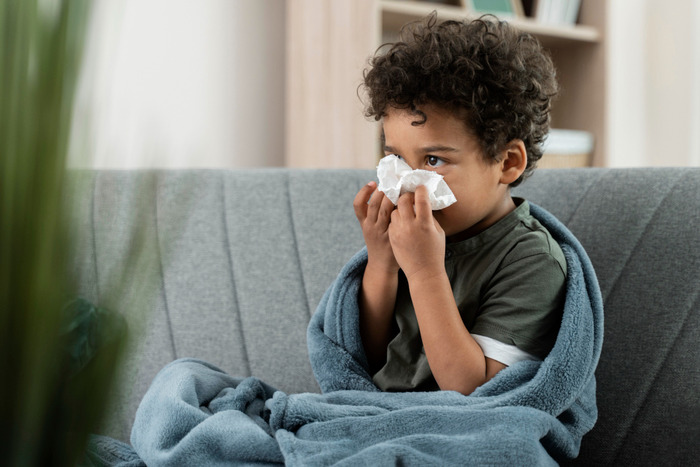
Common Childhood Illnesses: Symptoms, Treatments, and When to Seek Help
Children are susceptible to various illnesses as their immune systems develop and as they are exposed to new environments, especially in settings like daycare or school. Understanding common childhood illnesses, their symptoms, and appropriate treatments can empower parents to manage their child’s health effectively. Below is an overview of frequently encountered childhood illnesses, along with tips on management and guidance on when to seek help from a pediatrician.
1. Common Cold
– Symptoms:
– Runny or stuffy nose
– Sneezing
– Coughing
– Sore throat
– Mild headache
– Fatigue
– Low-grade fever
Treatment:
Home Care: Encourage plenty of fluids, rest, and nutritious foods. Over-the-counter (OTC) medications may alleviate symptoms, but consult with a pediatrician before giving any medication.
Humidity: Using a humidifier can help ease nasal congestion.
Saline Nasal Drops: These can help relieve a stuffy nose in younger children.
When to Seek Help:
– Symptoms worsen or do not improve after a few days.
– High fever (above 101°F or 38.3°C) persists.
– Difficulty breathing, wheezing, or persistent cough.
– Symptoms last longer than 10 days.
2. Ear Infections
Symptoms:
– Ear pain or discomfort
– Irritability or fussiness, especially in younger children
– Difficulty sleeping
– Fever
– Fluid drainage from the ear
– Trouble hearing
– Treatment:
– Pain Management: Administer age-appropriate pain relievers, such as acetaminophen or ibuprofen.
– Warm Compress: Applying a warm cloth over the affected ear may relieve pain.
– Antibiotics: If the infection is bacterial and severe, a pediatrician may prescribe antibiotics.
– When to Seek Help:
– Persistent ear pain lasting more than 24 hours.
– Fever higher than 102°F (38.9°C).
– Signs of hearing loss or fluid drainage from the ear.
– Recurrent ear infections.
3. Allergies
Symptoms:
– Sneezing
– Runny or itchy nose
– Itchy, watery eyes
– Skin rashes (eczema or hives)
– Coughing or wheezing
Treatment:
Avoid Triggers: Identify and minimize exposure to allergens, such as pollen, dust mites, pet dander, or certain foods.
Antihistamines: OTC antihistamines can relieve allergy symptoms. Consult a pediatrician for appropriate options.
Nasal Sprays: Steroid nasal sprays may help reduce nasal inflammation.
– When to Seek Help:
– Severe allergic reactions (anaphylaxis), which may cause swelling of the face or throat, difficulty breathing, or rapid heartbeat.
– Persistent symptoms that do not improve with OTC medications.
– Signs of asthma, such as wheezing or persistent coughing.
—
4. Gastroenteritis (Stomach Flu)
– Symptoms:
– Vomiting
– Diarrhea
– Stomach cramps
– Fever
– Dehydration (dry mouth, decreased urination, lethargy)
– Treatment:
– Hydration: Encourage frequent sips of clear fluids (like water, broth, or electrolyte solutions) to prevent dehydration.
– Diet: Once vomiting subsides, gradually reintroduce bland foods (such as bananas, rice, applesauce, and toast) as tolerated.
– Rest: Ensure the child gets plenty of rest to aid recovery.
– When to Seek Help:
– Signs of dehydration, such as dry mouth, lack of tears, or lethargy.
– Vomiting for more than 24 hours.
– Diarrhea lasting more than 48 hours.
– Severe abdominal pain or high fever.
5. Hand, Foot, and Mouth Disease
– Symptoms:
– Fever
– Sore throat
– Painful sores or blisters in the mouth
– Rash on hands, feet, and sometimes buttocks
– Treatment:
– Pain Relief: Use pain relievers like acetaminophen or ibuprofen for fever and discomfort.
– Fluids: Encourage drinking plenty of fluids to stay hydrated.
– Soft Foods: Offer soft, bland foods to minimize mouth pain.
– When to Seek Help:
– High fever lasting more than a few days.
– Signs of dehydration (not drinking fluids, dry mouth).
– Difficulty swallowing or persistent severe pain.
General Tips for Parents
1. **Maintain Open Communication:** Always keep an open line of communication with your child. Encourage them to express how they feel, which can help identify symptoms early.
2. **Keep a Symptom Diary:** If your child frequently experiences symptoms (like allergies or digestive issues), keep a diary to help track patterns and potential triggers.
3. **Educate About Hygiene:** Teach your child the importance of regular handwashing and proper hygiene to prevent the spread of infections.
4. **Stay Calm:** Children can pick up on their parents’ anxiety. Remaining calm during an illness can help your child feel more secure.
Conclusion
While most childhood illnesses are common and manageable at home, knowing when to seek help from a pediatrician is crucial for ensuring your child’s health and well-being. By understanding the symptoms, treatment options, and appropriate actions to take, parents can be proactive in managing their child’s health and fostering a supportive environment for recovery.