
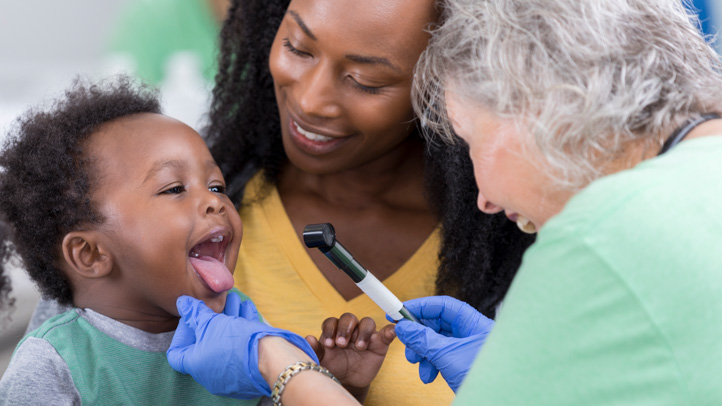
Why Regular Well-Child Check-Ups Matter
Regular well-child check-ups are far more than just a routine visit to the pediatrician—they are a critical part of ensuring your child’s overall health and well-being. These visits provide an opportunity to monitor your child’s growth and development, catch potential health issues early, and stay up to date on important vaccinations. While many parents may think of the doctor’s office as a place to go when their child is sick, well-child visits are designed to proactively support your child’s physical, emotional, and developmental milestones.
Through regular check-ups, pediatricians can:
- Track your child’s growth: Monitoring height, weight, and head circumference in early years ensures that your child is growing at a healthy rate.
- Monitor developmental progress: Pediatricians assess your child’s motor skills, language abilities, and social interactions to ensure they are meeting key developmental milestones.
- Provide preventive care: From immunizations to nutritional advice, these visits focus on preventing illness and promoting long-term health.
- Support emotional well-being: Well-child visits also offer the opportunity to address behavioral or emotional concerns, helping children cope with challenges like anxiety, peer pressure, or school stress.
- Foster a partnership between parents and pediatricians: These visits are not only about assessing the child’s health but also about empowering parents with the knowledge and tools they need to make informed decisions about their child’s care.
By attending regular well-child check-ups, parents take a proactive role in safeguarding their child’s health, ensuring they thrive in every stage of their development.
Age-Specific Developmental Milestones: What to Expect at Each Well-Child Visit
Each well-child visit is tailored to your child’s specific age and developmental stage. By understanding what to expect at each visit, parents can feel more prepared and confident in supporting their child’s growth. Below is a breakdown of the key developmental milestones and health checks typically addressed during well-child visits at different ages.
Newborn (0-1 Month)
- Growth Check: Monitoring of birth weight, head circumference, and length to ensure proper growth.
- Physical Exam: Checking reflexes, muscle tone, and newborn reflexes like the rooting and Moro reflex.
- Newborn Screening: Reviewing results of state-mandated screenings for metabolic and genetic conditions.
- Feeding and Sleep Guidance: Addressing concerns about breastfeeding or formula feeding, and sleep habits.
- Parent Education: Discussing jaundice, umbilical cord care, and signs of common issues like colic.
- Immunizations: Hepatitis B vaccine (if not given at birth).
Infant (2-12 Months)
- 2 Months:
- Motor Skills: Ability to lift head and push up when lying on the tummy.
- Social Development: Starting to smile at people and recognizing familiar faces.
- Vaccinations: DTaP, IPV, Hib, Hep B, PCV, and rotavirus vaccines.
- 4 Months:
- Physical Growth: Weight gain and head circumference measured; tracking feeding patterns.
- Motor Skills: Rolling over, grasping objects, and holding up their head.
- Immunizations: Continuation of the vaccination series started at 2 months.
- 6 Months:
- Milestones: Sitting up without support, babbling, and showing curiosity.
- Introducing Solids: Discussion about starting solid foods alongside breast milk or formula.
- Teething: Addressing concerns related to teething and sleep disruption.
- Immunizations: Follow-up doses for DTaP, IPV, Hib, PCV, and rotavirus.
- 9 Months:
- Motor Skills: Crawling, pulling up to stand, and making sounds like “mama” or “dada.”
- Development Check: Monitoring hand-eye coordination and fine motor skills (grasping objects).
- Safety Discussions: Tips on babyproofing and injury prevention.
- 12 Months:
- First Steps: Many babies start walking or taking first steps around this age.
- Language: Saying simple words like “mama” or “dada” and following simple instructions.
- Immunizations: MMR, Varicella, and Hepatitis A vaccines are introduced.
Toddler (1-3 Years)
- 15-18 Months:
- Gross Motor Skills: Walking independently, beginning to run, and climbing.
- Cognitive Development: Problem-solving skills, playing with toys, and simple pretend play.
- Language Development: Using several words, pointing, and communicating needs.
- Immunizations: Booster doses of DTaP and PCV.
- 2 Years:
- Speech and Language: Using two-word phrases, naming familiar objects, and following simple instructions.
- Behavior: Encouraging independence, managing temper tantrums, and discussing toilet training.
- Motor Skills: Kicking balls, running, and improved hand-eye coordination.
- Growth Monitoring: Height, weight, and head circumference to ensure healthy growth patterns.
- 3 Years:
- Social Development: Engaging in more interactive play, sharing with others, and following directions.
- Cognitive Milestones: Starting to recognize colors, shapes, and learning to count.
- Motor Skills: Climbing, balancing, and refining fine motor skills like drawing.
- Immunizations: Annual flu shot, and if not given earlier, catch-up on MMR, Varicella, and Hepatitis A.
Preschool (4-5 Years)
- 4 Years:
- School Readiness: Evaluating language, cognitive, and social skills in preparation for school.
- Motor Skills: Skipping, hopping, and drawing basic shapes or letters.
- Behavior: Discussing emotional regulation, social skills, and interacting with peers.
- Immunizations: Boosters for DTaP, IPV, MMR, and Varicella.
- 5 Years:
- Cognitive Development: Problem-solving, asking questions, and showing interest in learning new things.
- Speech and Language: Speaking in full sentences and understanding more complex instructions.
- Growth Check: Monitoring BMI to track growth and ensure the child is within a healthy range.
- Safety: Reinforcing safety measures for school, including playground safety and road crossing.
School Age (6-12 Years)
- 6-8 Years:
- School Performance: Discussing academic progress, behavior in school, and social interactions with peers.
- Emotional Well-Being: Identifying signs of anxiety, bullying, or emotional difficulties.
- Physical Activity: Encouraging regular exercise and participation in sports.
- Vision and Hearing Tests: Screening for any vision or hearing problems that may impact school performance.
- Immunizations: Annual flu shot and catch-up on any missed vaccines.
- 9-12 Years:
- Pre-Adolescence: Addressing body changes, self-esteem, and preparing for puberty.
- Mental Health: Checking for early signs of stress, anxiety, or mood changes as they enter pre-teen years.
- Nutrition: Encouraging balanced eating habits and avoiding unhealthy weight gain.
Adolescents (13-18 Years)
- 13-15 Years:
- Puberty: Monitoring physical and emotional changes as puberty begins, including discussing body image and self-esteem.
- Mental Health: Addressing issues related to peer pressure, academic stress, and mood changes.
- Risky Behaviors: Educating teens about the risks of smoking, drugs, alcohol, and sexual health.
- Immunizations: HPV vaccine series, meningococcal vaccines, and annual flu shot.
- 16-18 Years:
- Physical Growth: Final height growth spurts and monitoring weight.
- Emotional Development: Offering support for mental health concerns, relationships, and life transitions (college, work).
- Sexual Health: Open discussions on contraception, STIs, and personal health responsibility.
- Immunizations: Booster for meningococcal vaccine and annual flu shot.
Each age group has distinct milestones that the pediatrician will focus on during these check-ups. Understanding these stages can help parents feel more confident and informed about their child’s health and development, while also giving them the chance to address any concerns they may have.
Preventive Care Focus: Building a Healthy Foundation
Preventive care is a cornerstone of pediatric health, playing a crucial role in ensuring children grow up healthy, strong, and resilient. Well-child visits are designed to identify and address potential health issues before they become significant problems, providing a holistic approach to child development. Here’s a closer look at the importance of preventive care during these visits:
1. Early Detection of Health Issues
- Routine Screenings: Regular check-ups include screenings for vision, hearing, and developmental milestones. Early detection of issues like hearing impairments or developmental delays allows for timely intervention, which can greatly improve long-term outcomes.
- Growth Monitoring: Tracking height, weight, and BMI helps identify potential issues related to undernutrition or obesity. Addressing these concerns early can prevent more serious health problems later in life.
2. Immunizations: Protecting Against Disease
- Vaccination Schedule: Well-child visits are critical for ensuring that children receive necessary immunizations according to the recommended schedule. Vaccines protect against serious diseases such as measles, mumps, rubella, and whooping cough, significantly reducing illness and hospitalizations.
- Community Health: When children are vaccinated, they contribute to herd immunity, protecting vulnerable populations who cannot be vaccinated, such as infants or individuals with compromised immune systems.
3. Promoting Healthy Habits
- Nutrition Guidance: Pediatricians provide essential information on age-appropriate nutrition, helping parents establish healthy eating habits from an early age. They can guide families on balanced diets, portion sizes, and healthy snacks, setting the stage for lifelong healthy eating patterns.
- Physical Activity Recommendations: Regular check-ups allow pediatricians to discuss the importance of physical activity, recommend appropriate exercise routines, and encourage participation in sports or outdoor play to promote a healthy lifestyle.
4. Mental Health Support
- Emotional Well-Being: Pediatricians screen for signs of anxiety, depression, and behavioral issues during well-child visits. Identifying mental health concerns early allows for timely intervention and support, helping children navigate challenges effectively.
- Building Resilience: Pediatricians can provide parents with strategies to foster emotional intelligence and coping skills in their children, promoting resilience in the face of life’s challenges.
5. Parental Education and Support
- Open Dialogue: Well-child visits offer parents a chance to discuss any concerns they have regarding their child’s health and development. This open dialogue fosters a trusting relationship between parents and pediatricians, allowing for better communication and support.
- Resources for Families: Pediatricians can provide valuable resources, including brochures, websites, and community programs that support healthy lifestyles, parenting techniques, and family well-being.
6. Customized Care Plans
- Individualized Approach: Preventive care allows pediatricians to tailor recommendations to each child’s unique health needs, family history, and lifestyle factors. This personalized approach ensures that families receive the most relevant and effective guidance.
- Long-Term Health Monitoring: Establishing a routine of regular check-ups helps create a comprehensive health record for each child. This history is invaluable for monitoring changes in health over time and addressing emerging issues as children grow.
7. Establishing a Healthy Foundation for Life
- Life Skills: Well-child visits provide opportunities to educate children about health topics, empowering them with knowledge about nutrition, exercise, hygiene, and the importance of regular health check-ups.
- Positive Health Behaviors: By emphasizing preventive care from a young age, parents can instill positive health behaviors that children will carry into adulthood, fostering a culture of health and wellness.
In summary, preventive care during well-child visits is vital for promoting overall health and well-being. These appointments not only help identify and address potential health concerns early on but also lay the groundwork for healthy habits that last a lifetime. By prioritizing preventive care, parents can ensure their children are not just surviving but thriving at every stage of development.
What Parents Can Do to Prepare for Visits
Preparing for well-child visits can help parents make the most of their time with the pediatrician and ensure that they address all relevant health concerns. Here are some practical tips to help parents get ready for each check-up:
1. Keep a Growth and Development Journal
- Document Milestones: Track your child’s developmental milestones, such as first words, walking, and social interactions. Noting these can help the pediatrician assess your child’s progress.
- Record Changes: Jot down any changes in behavior, sleep patterns, appetite, or mood. This information can provide valuable insights during the visit.
2. Compile a List of Questions and Concerns
- Prepare Ahead: Before the appointment, write down any questions or concerns you have. This may include issues related to nutrition, behavior, or sleep.
- Prioritize Topics: Identify the most pressing concerns to ensure you cover them during the visit, especially if time is limited.
3. Review Your Child’s Medical History
- Be Informed: Familiarize yourself with your child’s medical history, including past illnesses, surgeries, and any allergies or medications. This information is crucial for the pediatrician to provide tailored care.
- Vaccination Records: Bring your child’s immunization records to ensure that they are up-to-date on vaccinations.
4. Prepare Your Child for the Visit
- Talk Openly: Depending on their age, explain to your child what to expect during the appointment. Use simple, reassuring language to alleviate any fears or anxieties.
- Role-Play: For younger children, role-playing a doctor visit at home can help them understand the process and feel more comfortable.
5. Bring Necessary Items
- Essential Documents: Ensure you have your insurance card, identification, and any referral letters if applicable.
- Comfort Items: If your child has a favorite toy or blanket, bringing it along can help them feel more secure during the visit.
6. Plan for Waiting Times
- Arrive Early: Arriving a little early allows time for check-in and helps reduce stress.
- Entertainment: Bring a book, toy, or tablet loaded with games or videos to keep your child occupied while waiting.
7. Discuss Your Child’s Lifestyle
- Diet and Activity: Be prepared to discuss your child’s eating habits, physical activity levels, and screen time. This information helps the pediatrician provide appropriate guidance.
- Social Interactions: Share details about your child’s interactions with peers and any changes in behavior that may affect their emotional well-being.
8. Stay Calm and Positive
- Model Behavior: Your demeanor can significantly affect your child’s perception of the visit. Stay calm and positive, reassuring them that check-ups are important for staying healthy.
- Encourage Questions: Remind your child that it’s okay to ask the doctor questions. This fosters a sense of agency and encourages them to communicate their needs.
9. Follow Up After the Visit
- Review Recommendations: After the appointment, discuss any recommendations or next steps with your child. Ensure they understand what was discussed, especially if there are changes to their routine or care plan.
- Plan Future Appointments: Schedule the next well-child visit before leaving the office, and keep track of upcoming vaccinations or check-ups in your calendar.
By following these tips, parents can maximize the value of each well-child visit, ensuring that they address important health topics while fostering a positive experience for their child. Preparation not only enhances communication with the pediatrician but also empowers parents to take an active role in their child’s health and development.
Tools and Resources for Parents
To enhance the experience of preparing for well-child visits and to support ongoing health and development, here are some interactive tools and resources that parents can utilize:
1. Growth Tracker App
- Description: A user-friendly app that allows parents to log their child’s height, weight, and head circumference over time.
- Features: Includes growth charts based on CDC guidelines, reminders for upcoming check-ups, and the ability to track developmental milestones.
- Recommendation: Apps like Growth Chart or Baby Tracker can help visualize growth trends and identify any concerns early.
2. Developmental Milestones Checklist
- Description: A downloadable checklist or PDF that outlines key developmental milestones for different age groups.
- Usage: Parents can use this resource to monitor their child’s progress and identify areas that may need attention.
- Availability: Create a printable checklist for parents to fill out at home, noting their child’s achievements.
3. Question Prompt Sheet
- Description: A pre-made template for parents to fill out with their questions and concerns before the visit.
- Functionality: Sections for specific topics, such as nutrition, behavior, and vaccinations, to help parents organize their thoughts.
- Downloadable Resource: Offer a printable version of this sheet for easy access and use.
4. Immunization Schedule Calendar
- Description: A visual calendar outlining the recommended vaccination schedule based on the child’s age.
- How to Use: Parents can mark completed vaccinations and upcoming appointments to stay organized.
- Format: Provide a downloadable PDF or an interactive online tool that allows for easy updates.
5. Healthy Habit Tracker
- Description: An engaging tool for parents to log their child’s daily meals, physical activities, and screen time.
- Goal: Helps families establish and maintain healthy routines, making it easier to identify patterns and areas for improvement.
- Platforms: Offer an online tool or printable chart that can be filled out daily.
6. Parenting Support Group Links
- Description: Curated links to local or online parenting support groups and forums where parents can connect, share experiences, and seek advice.
- Resource Sharing: Include contact information for local organizations, online platforms (like Facebook groups), and parenting websites that provide support and information.
7. Educational Videos and Webinars
- Description: A collection of short, informative videos or recorded webinars that cover common topics related to child health, nutrition, and development.
- Content: Topics can include “How to Prepare for a Pediatric Visit,” “Healthy Eating for Kids,” and “Understanding Vaccines.”
- Access: Embed links to reputable sources like the American Academy of Pediatrics or local health departments.
8. Interactive Quizzes
- Description: Fun quizzes that test parents’ knowledge about child development, nutrition, and immunizations.
- Purpose: Engages parents and reinforces learning about key health topics.
- Format: Offer these quizzes on your website with instant feedback and explanations.
9. Resource Hub Links
- Description: A list of reputable online resources and organizations, such as the CDC, WHO, and AAP, where parents can find accurate information on child health.
- Purpose: Provides parents with access to the latest research, guidelines, and articles on various health topics.
By incorporating these interactive tools and resources into the article, parents will have a comprehensive set of materials to help them prepare for well-child visits and engage with their child’s health proactively. These resources not only empower parents but also foster a collaborative relationship with pediatricians, ultimately benefiting the child’s well-being.